




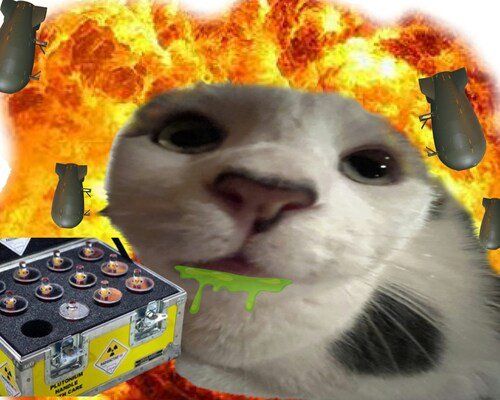
In the modern digital landscape, memes have evolved from simple internet jokes into a powerful form of communication. They are no longer just humorous images shared among friends—they have become tools for commentary, self-expression, marketing, and cultural reflection. Their widespread popularity highlights how online communication has shifted toward visual, relatable, and instantly shareable content.
What Makes Memes So Popular?
The appeal of memes lies in their simplicity and relatability. A well-crafted meme can convey humor, satire, or commentary in just a few seconds, often more effectively than a lengthy text explanation. Memes are easy to consume and quick to share, which has led to their viral nature. They transcend language barriers, as a clever visual or caption can be universally understood.
Social media platforms have fueled the rise of memes, giving users the power to participate in global conversations. The rise of visual culture—where images and videos dominate over text—has cemented memes as a cornerstone of online communication. Memes can comment on current events, trends, or everyday life in ways that feel authentic and relatable.
DIY Creativity: Making Memes Yourself
The popularity of memes has also inspired a do-it-yourself culture. Anyone with access to digital tools can create content that is both personal and widely shareable. Platforms like Adobe Express make this process effortless. Users can select templates, add text, and customize visuals, enabling anyone to craft engaging and humorous content. For instance, you can create your own meme with Adobe Express in minutes, even if you have no prior design experience.
This DIY approach democratizes creativity, allowing individuals to participate in cultural dialogues and share their perspectives. Memes are no longer just for entertainment—they are a medium through which people express opinions, spark discussions, and influence online communities.
Memes as a Cultural Commentary
Beyond humor, memes often serve as a mirror of society. They reflect trends, opinions, and social phenomena in ways that are immediately recognizable. Memes can highlight the absurdities of modern life, satirize politics, or address social issues in a digestible and shareable form. Their influence extends to pop culture, journalism, and even advertising, where brands use memes to engage audiences authentically.
Because memes are so shareable, they can spread ideas rapidly, often shaping public perception. For example, political memes can influence opinions during elections, while educational memes can simplify complex ideas for broader understanding. This adaptability makes memes a powerful tool for communication in a fast-paced digital environment.
The Role of Memes in Marketing
Businesses and marketers have also recognized the potential of memes for engagement. Memes allow brands to interact with audiences in a humorous, relatable way that feels authentic rather than promotional. By tapping into trending topics or cultural references, companies can increase reach and brand awareness organically.
Creating memes for marketing purposes requires a delicate balance between humor, relevance, and brand identity. Tools like Adobe Express make it easier for marketers to design memes that resonate with their target audience. Anyone can create your own meme with Adobe Express, ensuring the content is both visually appealing and on-brand.
Memes and Personal Expression
On a personal level, memes offer a unique outlet for self-expression. They allow individuals to communicate emotions, opinions, and humor in ways that traditional text messages cannot. A single meme can capture complex feelings, shared experiences, or witty observations, making them a popular form of online expression.
Memes also create a sense of community. Sharing and engaging with memes fosters connection, as people bond over shared humor or relatable experiences. This communal aspect contributes to the longevity and viral nature of certain memes, as they are constantly reshaped, remixed, and shared across digital networks.
Memes as Educational Tools
Interestingly, memes are also being used as educational tools. Teachers and content creators are leveraging memes to make learning more engaging. Complex concepts can be simplified through visual humor, making them more memorable and relatable for students or audiences.
With accessible platforms like Adobe Express, educators and creators can create your own meme with Adobe Express tailored to their teaching objectives. This approach taps into a format students are familiar with and enjoy, enhancing retention and participation.
The Future of Memes in Communication
As digital communication continues to evolve, memes are likely to remain a central element. Their versatility allows them to adapt to new platforms, trends, and cultural shifts. Advances in AI and design software will further simplify meme creation, encouraging even more people to participate in this creative form of expression.
Memes will continue to shape online discourse, bridging humor and commentary while fostering a shared sense of culture and community. By embracing meme culture, individuals and brands alike can communicate more effectively in a world dominated by visual storytelling.
Conclusion
Memes have transformed the way we communicate online, blending humor, culture, and creativity into a universally understood format. Their rise demonstrates the power of visual content in shaping conversations, influencing culture, and engaging audiences. Digital tools like Adobe Express make it easier than ever to participate in this cultural phenomenon.
In an era where communication is increasingly visual and instantaneous, memes are not just entertainment—they are a language of their own, connecting people through humor, creativity, and shared experiences.