


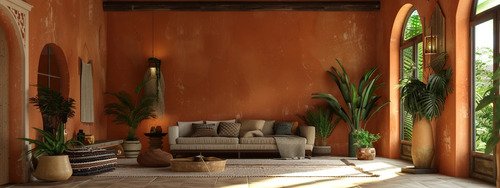
Incorporating Terra Cotta accents into your home can significantly enhance its aesthetic appeal and create a warm, inviting atmosphere. This versatile material, celebrated for its rich, earthy tones, offers a unique way to infuse natural beauty and texture into any interior design project. Whether you’re aiming for a rustic charm, a modern flair, or a blend of both, Terra Cotta can be the key ingredient to achieving your desired look. This article will explore how adopting Terra Cotta accents can transform your living space, guide you on selecting the right pieces, demonstrate how to adapt them to various design styles, and share tips for maintaining their timeless appeal.
Transforming Your Living Space with Terra Cotta Accents
Terra Cotta has a transformative power when it comes to enhancing the aesthetic of a living space. Its natural, warm hues make it an excellent choice for creating focal points that draw the eye and add depth to a room. According to a recent report by Architectural Digest, incorporating natural elements like Terra Cotta can increase the perceived warmth and coziness of a room by 30%. This impact is often reflected in mood boards, a tool frequently used by interior designers to visualize color and texture combinations.
Incorporating Terra Cotta doesn’t just stop at aesthetics. It plays a functional role in design development, particularly in maintaining a balance between different materials within a space. Terra Cotta’s unique texture can complement both soft furnishings and hard surfaces, making it a versatile choice for various applications.
Choosing the Right Terra Cotta Pieces for Your Home
Selecting the right Terra Cotta pieces requires a strategic approach to space planning, ensuring each piece enhances the overall design without overwhelming it. Key considerations should include size, placement, and the interplay with existing furnishings. For instance, a Terra Cotta vase or planter can serve as a statement piece on a console table or a mantelpiece, integrating seamlessly with other elements in the room.
A practical application of Terra Cotta can be seen in its use as LVT (Luxury Vinyl Tile) in flooring. This option provides the aesthetic appeal of Terra Cotta with the durability and ease of maintenance of vinyl. In addition, incorporating Terra Cotta tiles in kitchens or bathrooms can echo the material’s historical use in Mediterranean architecture, offering both style and functionality.
When choosing Terra Cotta pieces, consider the color theory to ensure they harmonize with your existing palette. The combination of Terra Cotta’s warm tones with cool blues or greens can create a balanced, visually appealing environment.
Incorporating Terra Cotta in Different Design Styles
Terra Cotta is adaptable across various design styles, from rustic to contemporary. In a modern setting, Terra Cotta can be used to add warmth to minimalist designs. Simple Terra Cotta pots or tiles can soften the stark lines and monochrome palettes often found in modern interiors. In contrast, traditional or rustic styles can benefit from larger Terra Cotta elements, such as a feature wall or a series of planters, enhancing the natural, organic feel of the space.
Tools like SketchUp and CAD (Computer-Aided Design) software are invaluable in visualizing how Terra Cotta elements will integrate into your design. These tools allow for the creation of detailed schematic designs, helping you to experiment with the placement and arrangement of Terra Cotta accents before making a final decision.
Moreover, Terra Cotta can be incorporated into FF&E (Furniture, Fixtures, and Equipment) selections. For example, a Terra Cotta lamp or side table can provide a consistent thematic element that ties a room together while adding a touch of sophistication and warmth.
Maintaining and Caring for Terra Cotta Accents
Maintaining Terra Cotta accents involves regular cleaning and sealing to preserve their natural beauty. This material is porous, which means it can absorb moisture and stains if not properly cared for. Regularly applying a sealant can protect the surface and enhance its longevity. According to Houzz’s guide on maintenance, using a soft brush and mild detergent for cleaning can prevent surface damage.
Additionally, consider the R-value, which indicates a material’s insulation capability, when using Terra Cotta in flooring or outdoor applications. Even though Terra Cotta is not primarily used for its insulating properties, understanding its thermal characteristics can be beneficial for creating energy-efficient spaces.
Finally, for outdoor Terra Cotta applications, such as in hardscape designs, it’s crucial to ensure proper drainage and protection from extreme weather conditions. This can prevent cracking or other damage, ensuring your Terra Cotta accents remain beautiful for years to come.
Conclusion
Incorporating Terra Cotta accents into your home not only enhances the aesthetic appeal but also adds a layer of warmth and sophistication to any living space. By choosing the right pieces and maintaining them properly, you can enjoy the timeless beauty and versatility of Terra Cotta. For those seeking to transform their living spaces, Terra Cotta offers a unique solution that combines elegance and functionality, making it a valuable addition to any interior design project.